Short-Term Rental Insurance in Florida: What Airbnb Hosts Need
Short-term rental insurance in Florida: why standard policies fall short
If you rent your Florida home, condo, or vacation property on Airbnb, VRBO, or any other platform, your standard homeowners policy almost certainly does not cover you when paying guests are on the property. Short-term rental insurance in Florida is a separate layer of protection. Without it, a single guest incident could leave you personally responsible for tens of thousands of dollars in damages or liability claims. Florida's busy vacation rental market makes this one of the most consequential coverage gaps homeowners overlook.
What your existing homeowners policy actually covers
Standard homeowners insurance is written for owner-occupied residences. The moment you accept payment from a guest, even just for a weekend, you have crossed into commercial activity in the eyes of most insurers. That shift matters in two ways.
- Property damage exclusions: Most policies exclude damage caused by renters or paying guests. A guest who floods your kitchen or breaks a sliding door is not the risk the policy was priced to cover.
- Liability exclusions: If a guest slips by the pool, trips on a loose tile, or is injured on your property during a rental period, your standard liability coverage may deny the claim because the injury occurred during a commercial transaction.
Some homeowners policies include a small "incidental rental" allowance, but Florida courts and insurers interpret these provisions narrowly. If you rent more than occasionally, do not rely on that clause to protect you.
It is also worth knowing that Airbnb's Host Guarantee and Host Protection Insurance have significant gaps. They do not replace a real insurance policy, they cap out at amounts that may not cover a serious liability claim, and they come with dispute processes that can be slow and unpredictable. Relying on a platform's built-in protection is a risk that experienced Florida hosts generally avoid.
What short-term rental insurance actually covers
A purpose-built short-term rental insurance policy fills the gaps that standard homeowners policies and platform guarantees leave open. Coverage typically falls into a few categories.
Property damage from guests
This covers physical damage to your home and its contents caused by guests during a rental period: broken furniture, damaged appliances, stained carpets, or more serious structural damage. In Florida, where properties are often rented fully furnished with high-end finishes, replacement costs add up quickly.
Liability coverage during rental periods
If a guest is injured on your property and sues you, liability coverage pays for legal defense costs and any judgment against you, up to your policy limit. Florida is one of the most litigious states in the country, so skimping on liability limits is a real mistake. Most experienced hosts carry at least $500,000 in liability coverage , and some add a personal umbrella on top of that.
Loss of rental income
If a covered event such as a hurricane, fire, or burst pipe makes your property temporarily uninhabitable, loss of rental income coverage reimburses you for bookings you cannot fulfill. This is especially useful in South Florida, where hurricane season can sideline a property for weeks or months.
Theft by guests
Standard homeowners policies often exclude theft by an "invited person." Short-term rental policies can cover theft of your property by guests, which matters when you have smart TVs, electronics, art, or other valuables on-site.
Bed bug and vandalism coverage (some policies)
Specialty short-term rental insurers offer endorsements that cover remediation costs for bed bug infestations and intentional vandalism by guests. These are niche but increasingly common in Florida's high-volume rental markets like Miami, Orlando, and the Palm Beach corridor.
Florida-specific risks every host should factor in
Florida is not a typical rental market, and the risks here go beyond what a generic national policy might address.
Hurricane and wind exposure
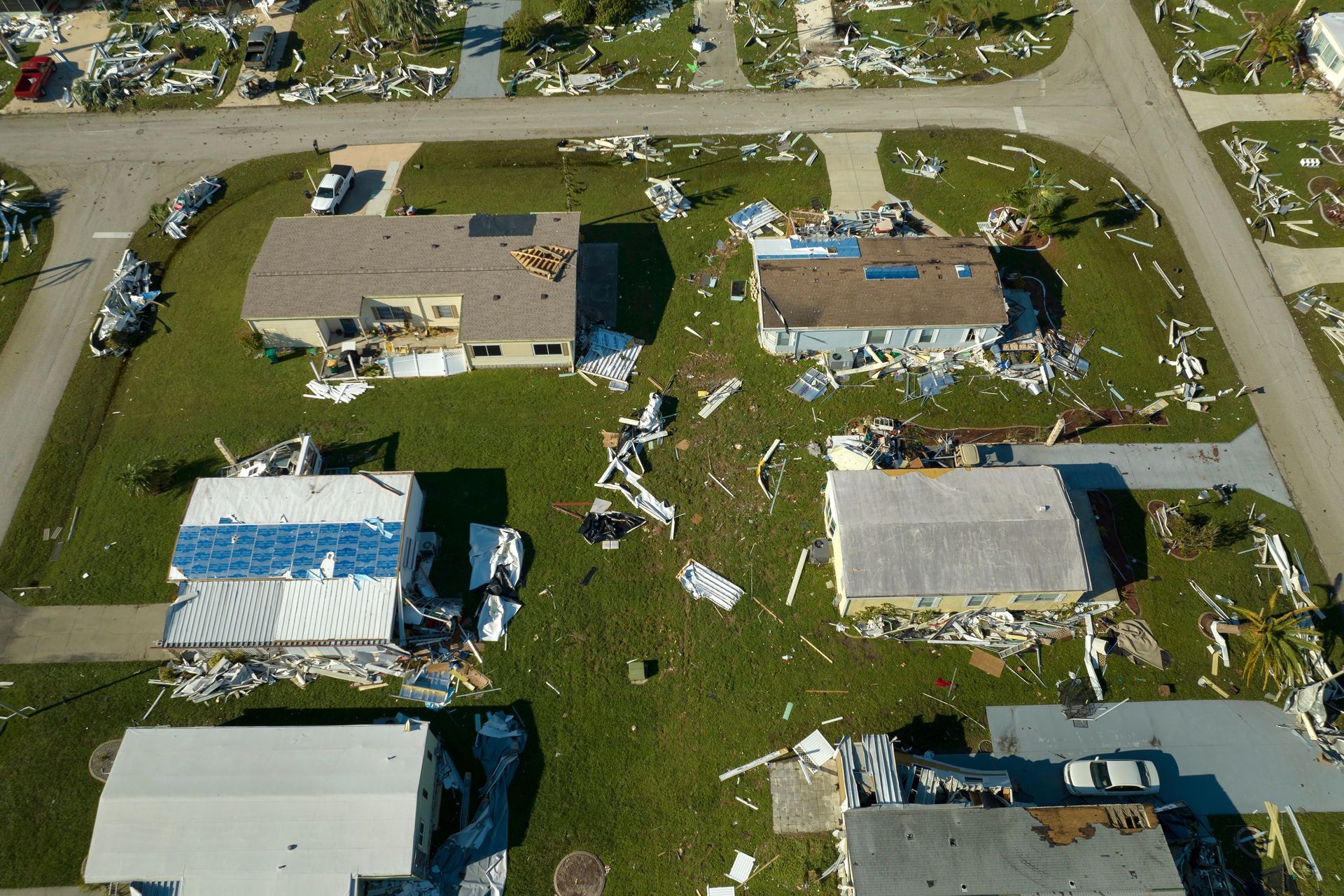
Florida properties carry some of the highest wind and storm risk in the country. If you operate a short-term rental in a coastal area such as Boca Raton, Pompano Beach, or Fort Myers, your policy needs to clearly address hurricane damage, including any separate wind or hail deductibles. Many Florida policies carry wind deductibles of 2% to 5% of the insured value , which on a $600,000 rental property means $12,000 to $30,000 comes out of your pocket before coverage applies.
Flood risk
Flood damage is excluded from almost every property insurance policy, including short-term rental policies. If your rental sits in a FEMA-designated flood zone, or even near one, you need a separate flood insurance policy. Many Florida vacation rentals near the coast or in low-lying areas fall in high-risk zones. Our Boca Raton flood zones guide breaks down the FEMA map categories and what they mean for your coverage needs.
Pool and amenity liability
Florida rental properties frequently have pools, hot tubs, docks, and outdoor kitchens, all of which increase liability exposure. If a guest is injured using any of these amenities, you need strong liability limits. Some insurers require specific endorsements or exclusions for certain features, so read the fine print carefully before binding.
High guest turnover creates higher risk
Unlike a long-term tenant with a lease and personal accountability, short-term guests cycle through with little vetting. That volume of strangers, each with different behaviors, increases the frequency of minor damage and the probability of an occasional serious incident.
How Florida law and licensing affect your coverage
Florida regulates vacation rentals through the Department of Business and Professional Regulation (DBPR). Depending on your property type and how often you rent, you may need a state vacation rental license. Operating without one creates legal exposure that insurance alone cannot fix, and some insurers will void a claim if the rental was not properly licensed.
Local municipalities add another layer. Cities like Miami Beach and some Palm Beach County communities have ordinances restricting short-term rentals in certain neighborhoods or requiring local permits. If your rental violates a local ordinance, an insurer may argue that the activity was not legal and decline coverage. Check your local rules before listing, not after a claim.
Florida also does not cap security deposits for short-term rentals the way it does for residential leases, so many hosts collect a deposit through the platform. That does not replace insurance, though. A deposit covers minor incidentals; insurance covers catastrophic loss.
Choosing the right policy structure for your property
There are a few ways to structure coverage for a Florida short-term rental. The right choice depends on how frequently you rent, whether you also occupy the property, and the value of your home and its contents.
Dedicated short-term rental policy
Companies like Proper Insurance, Slice, and a handful of specialty admitted Florida carriers offer policies written specifically for vacation rentals. These are often the cleanest option because there is no ambiguity about whether rental activity is covered. They typically bundle property, liability, and loss of income into one policy.
Modified homeowners policy with a short-term rental endorsement
If you only rent occasionally, some insurers will add a short-term rental endorsement to your existing homeowners policy. This is more limited than a dedicated policy but can work for hosts who rent fewer than 90 days per year. Always confirm in writing that the endorsement applies during rental periods, not just when you are occupying the home.
Landlord or dwelling fire policy plus a separate liability policy
If you do not live in the property at all, a dwelling fire policy or a landlord policy may be a better base than a homeowners policy. These are designed for non-owner-occupied properties and pair well with a standalone commercial general liability policy for rental activity. You can learn more about how landlord coverage works in Florida in our landlord insurance Florida guide.
Personal umbrella as a supplement
No matter which base policy you choose, a personal umbrella policy adds an extra layer of liability coverage, often $1 million or more, at a relatively low cost. For Florida rental hosts with meaningful liability exposure from guests, this is a sensible add-on.
How much does short-term rental insurance cost in Florida?
Cost varies widely based on the property's location, value, age, construction type, and rental frequency. Here are reasonable ballpark ranges to anchor expectations.
- Dedicated short-term rental policies typically run $1,500 to $4,000 per year for a mid-range Florida property, though coastal homes with high replacement values and wind exposure can push well above that.
- Short-term rental endorsements on homeowners policies often add $200 to $600 per year to an existing premium, but coverage is more limited.
- Flood insurance (separate) through the National Flood Insurance Program (NFIP) averages around $900 per year nationally but can run higher in Florida's high-risk coastal zones. Private flood options exist and may be more competitive in some areas.
One thing that catches Florida hosts off guard is the wind deductible structure. A policy with a low annual premium may carry a large wind deductible, which is effectively a self-insured layer for your most likely catastrophic event in Florida. Compare the total cost of risk, not just the premium line.
Get the right coverage for your Florida rental property
The Gordon Agency is an independent insurance agency serving hosts and property owners throughout Florida, including Boca Raton, Miami, Orlando, Tampa, Fort Myers, and beyond. Because we work with multiple carriers, we can compare options across the admitted and surplus lines market to find a policy that fits how you rent your property, not a generic package that leaves gaps.
Short-term rental insurance in Florida is not a one-size-fits-all product. The right structure depends on your property type, rental frequency, location, and risk tolerance. We will ask the right questions and help you put together coverage that protects your income and your investment.
Ready to get started? Request a quote from The Gordon Agency today, or call us at (561) 988-3330 to talk through your options with an agent who knows Florida's rental market.
Get A Quote
At The Gordon Agency, securing your future is easy. Ready to protect what matters? Contact us for a quick quote and personalized insurance options!
Kelly
Speak to Kelly 24/7
Microphone ready
Start your custom insurance quote
Instant answers to your insurance questions
Schedule appointments or follow-ups
Personal Insurance
From auto and homeowners to renters and umbrella policies, we help protect your family and property. Let’s find coverage that fits your life.
Commercial Insurance
We customize policies for your industry's risks, like general liability and workers' comp, ensuring you can run your business worry-free.
Contact The Gordon Agency
Recent Posts