Vacant Property Insurance in Florida: What Empty Homes Need Guide
Why vacant property insurance in Florida is not optional
If you own an empty home in Florida, your standard homeowners policy is most likely not protecting it the way you think. Vacant property insurance in Florida exists for exactly this situation, and skipping it can leave you exposed to tens of thousands of dollars in losses. Whether the home is between tenants, sitting on the market, going through probate, or undergoing a major renovation, insurers treat an unoccupied property as a different risk than one where someone lives day to day.
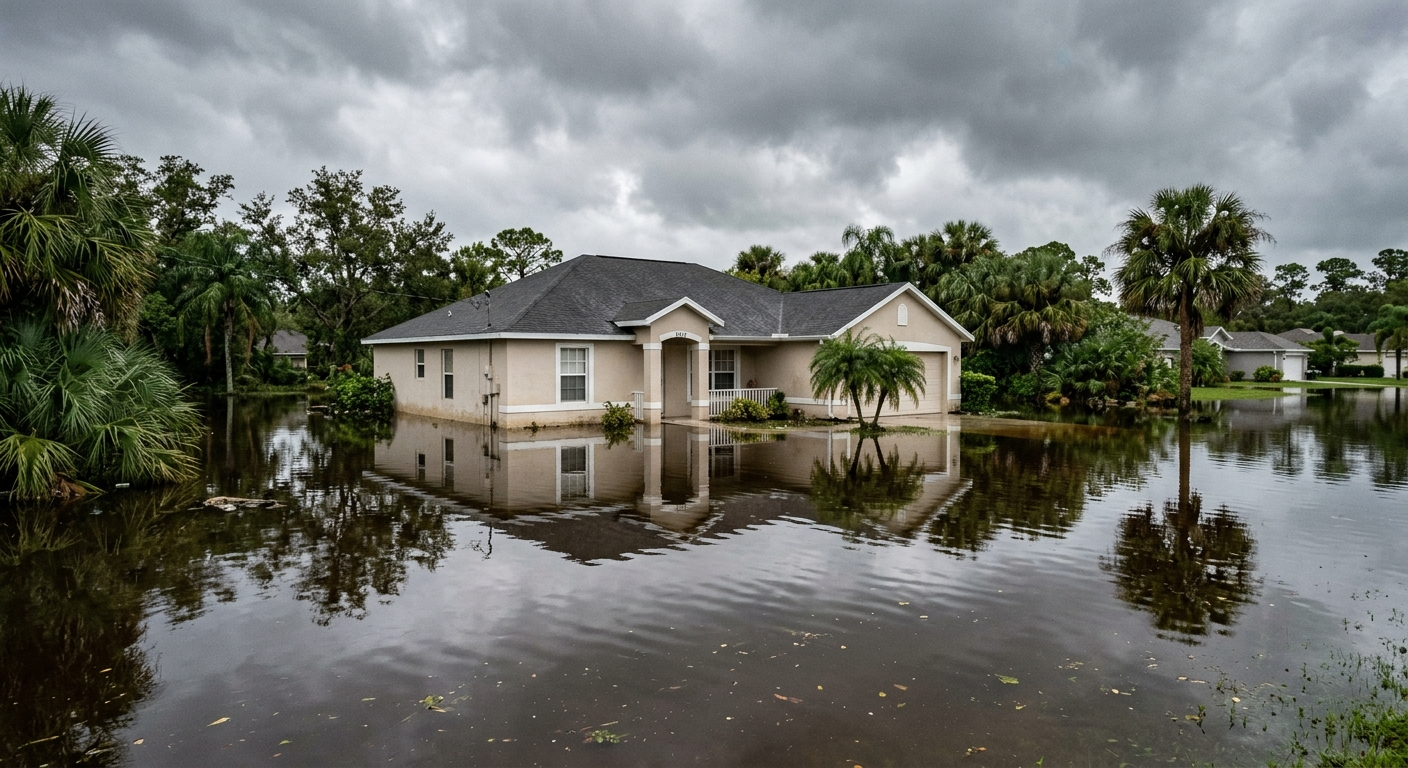
Florida compounds that risk in ways most other states do not. Humid summers, hurricane season running from June through November, and a persistent theft and vandalism problem in some markets mean an empty home can deteriorate fast. South Florida properties often sit vacant for months during estate proceedings or while snowbird owners are away, which creates real exposure to expensive claims that a standard policy will simply deny.
What makes a property "vacant" in the eyes of an insurer
This is where a lot of homeowners get tripped up. Most standard homeowners policies include a vacancy clause that suspends or limits coverage after the home has been unoccupied for 30 to 60 consecutive days. The exact threshold varies by carrier, but 30 days is common in Florida. After that point, the insurer may deny claims for vandalism, water damage from burst pipes, theft, and glass breakage, even if your premium is fully paid.
There is also a meaningful difference between "vacant" and "unoccupied." A home is generally considered unoccupied if the owner is temporarily away but furniture and personal belongings remain. It is considered vacant when it is truly empty, with no furniture, no daily activity, and no one routinely checking in. Vacant properties face stricter exclusions because damage in an empty home often goes undetected for weeks, allowing small problems to become catastrophic ones.
Common situations that trigger a vacancy concern include:
- Estate properties: a home inherited through probate that no one has moved into yet
- Homes listed for sale: sellers who have already moved into their next home and left the old one empty
- Rental properties between tenants: the gap period after one tenant leaves and before the next moves in
- Renovation projects: a property being rehabbed that cannot be occupied during construction
- Seasonal residences: snowbird owners who spend six or more months out of state
- Foreclosure or REO properties: bank-owned homes awaiting sale
What a vacant property policy actually covers
A standalone vacant property insurance policy is designed to fill the gap left by your standard homeowners policy. Coverage varies by carrier and the specific form you purchase, but a well-structured policy typically includes:
Fire and lightning
Fire is one of the most common and destructive vacant property claims. An electrical fault or a fire that starts in a neighboring unit can total an empty home before anyone notices. Fire coverage is almost always included as a base peril.
Wind and hail
In Florida, wind coverage is non-negotiable. A Category 1 hurricane can strip a roof, send debris through windows, and allow water intrusion that ruins flooring, drywall, and framing. Some vacant property policies bundle wind and hail; others exclude it or charge a separate deductible, so read the form carefully. For properties in coastal areas around Boca Raton, Delray Beach, or Pompano Beach, wind coverage is not something you can afford to leave out.
Vandalism and malicious mischief
Empty homes are targets. Broken windows, graffiti, copper pipe theft, and deliberate damage are frequent claims on vacant properties. Standard homeowners policies almost universally exclude vandalism once the vacancy clause kicks in. A vacant property policy restores that coverage.
Water damage (limited)
Many vacant property policies cover sudden and accidental water damage from burst pipes or roof failure, though coverage for gradual leaks or flooding is typically excluded. If the home is in a flood zone, which many Florida properties are, you will need a separate flood insurance policy on top of your vacant property coverage.
Liability
Liability coverage matters even when no one is living in the home. Someone could trespass, get hurt, and sue you. A contractor working on the renovation could be injured. Vacant property policies typically include at least basic liability protection.
What vacant property insurance in Florida does not cover
Understanding the exclusions is just as important as knowing what is included. Most vacant property policies will not cover:
- Flood damage: this requires a separate NFIP or private flood policy regardless of what your vacant property form says
- Mold resulting from undetected moisture: once mold takes hold in a vacant Florida home, remediation costs can run $10,000 to $50,000 or more; carriers typically exclude it or cap coverage
- Theft of contents: if you have left furniture or personal property inside, separate coverage is usually needed
- Gradual deterioration: normal wear, rot, and settling are maintenance issues, not insured losses
- Mechanical breakdown: HVAC failures, appliance malfunctions, or plumbing that simply wears out
- Construction defects: if the home is under renovation, a builders risk policy may be more appropriate, depending on the scope of work
That last point is worth expanding on. If your vacant property is sitting empty because it is undergoing a major gut renovation, a builders risk policy is often the right tool. It covers materials and work in progress in ways a vacant property policy does not. For lighter cosmetic updates or a property that is simply sitting idle while you decide what to do with it, a vacant property form is the better fit.
How much does vacant property insurance cost in Florida
Expect to pay more per dollar of coverage than you would on an occupied home. Premiums depend on several factors:
- Property value and replacement cost: higher-value homes cost more to insure
- Location: coastal properties and those in high-crime zip codes carry higher premiums
- Construction type: wood-frame homes cost more to insure than concrete block, which matters in Florida where CBS construction is common
- Roof age and condition: a roof over 15 years old will significantly increase the premium or trigger exclusions
- Security measures: deadbolts, alarm systems, and regular property checks can reduce cost
- Policy term: most vacant property policies are written for 3, 6, or 12 months; shorter terms are available but cost more on a per-day basis
- Perils covered: named-peril forms (covering only specific listed perils) cost less than open-peril or special-form policies
As a rough ballpark, in South Florida a vacant property policy on a home insured to $400,000 replacement cost might run anywhere from $1,500 to $4,000 annually , depending on the variables above. Wind exposure in particular drives costs up for coastal properties. That range is wide, which is why it pays to work with an independent agent who can compare multiple carriers rather than getting a single quote from one company.
Steps you can take to reduce your risk (and your premium)
Insurers look at how well you are managing an empty property when they set your rate. A few practical steps can lower both your risk exposure and what you pay:
- Hire a property management company or caretaker: regular documented inspections, typically weekly, show active management and can unlock better rates with some carriers
- Install a monitored alarm system: motion sensors, door and window sensors, and a central station monitoring contract are valued by underwriters
- Maintain utilities: keeping the water on and running a dehumidifier prevents mold and detects leaks early; shutting off water can be appropriate if the home is completely gutted, but discuss it with your agent first
- Secure all entry points: board or lock damaged windows, install heavy-duty deadbolts, and consider a temporary fence if the lot warrants it
- Keep the exterior maintained: an overgrown lawn signals vacancy to potential vandals; regular landscaping is cheap compared to a vandalism claim
- Document the home's condition: dated photos taken at regular intervals protect you if a claim arises and there is a dispute about pre-existing damage
Landlord insurance vs. vacant property insurance: knowing the difference
If you own rental property in Florida, you may already be familiar with landlord insurance. It is worth clarifying how these two products overlap and where they diverge.
A standard landlord policy (also called a dwelling fire policy) is designed for a property that is actively rented or being made ready to rent. It typically includes a short vacancy allowance, often 30 to 60 days, to bridge the gap between tenants. If your rental sits empty longer than that window, your landlord policy has the same problem as a homeowners policy: the vacancy clause may void key coverages.
When a rental property is going to be empty for an extended period, say three months or longer, a standalone vacant property policy either replaces or supplements the landlord policy depending on how your carrier structures it. Some insurers will endorse an existing landlord policy to extend vacancy coverage. Others require a new policy entirely. The right answer depends on your specific circumstances, how long the vacancy will last, and what your current policy says.
For homeowners who also own rental properties, the landlord insurance page has more detail on how dwelling fire policies work for income-producing properties.
Get the right vacant property coverage with The Gordon Agency
The Gordon Agency is an independent insurance agency serving property owners throughout Florida, from Boca Raton and the surrounding Palm Beach County communities to Miami, Orlando, Tampa, and beyond. Because we are independent, we are not locked into one carrier's products or pricing. We shop your vacant property risk across multiple insurers to find a policy that fits your situation at a price that reflects your property's specific characteristics.
Vacant homes in Florida carry real, quantifiable risks. A single hurricane, a stolen copper pipe, or an undetected roof leak can generate a claim that wipes out months or years of equity. The right vacant property policy costs a fraction of that exposure and provides documented protection while the home is between uses.
Call us at (561) 988-3330 or get a quote online to tell us about your property. We will review your current coverage, identify any gaps left by your standard homeowners or landlord policy, and put together options from carriers who specialize in vacant and non-standard property risks in Florida.
Get A Quote
At The Gordon Agency, securing your future is easy. Ready to protect what matters? Contact us for a quick quote and personalized insurance options!
Kelly
Speak to Kelly 24/7
Microphone ready
Start your custom insurance quote
Instant answers to your insurance questions
Schedule appointments or follow-ups
Personal Insurance
From auto and homeowners to renters and umbrella policies, we help protect your family and property. Let’s find coverage that fits your life.
Commercial Insurance
We customize policies for your industry's risks, like general liability and workers' comp, ensuring you can run your business worry-free.
Contact The Gordon Agency
Recent Posts