Landlord Insurance in Florida: What Rental Property Owners Need
If you rent out a home, condo, or investment property in Florida using a standard homeowners insurance policy, you have a coverage gap that most policyholders don't discover until they file a claim. Standard homeowners policies are written for owner-occupied residences. The moment you rent the property to a tenant — even short-term — the risk profile changes in ways that most homeowners policies exclude.
Landlord insurance, sometimes called a dwelling policy or DP-3, is the coverage form designed for rental properties. Florida landlord insurance averages $2,208 per year for a standard policy, according to InsuranceOpedia's 2026 data — significantly higher than most states, reflecting Florida's hurricane exposure and tight carrier market. Understanding what it covers, what it doesn't, and how it differs from a homeowners policy is the starting point for protecting your rental investment in Florida.
Landlord insurance vs homeowners policy: the key differences
A homeowners policy (HO-3) is written with the assumption that you live in the property. When you use it for a rental without disclosing the tenancy to your insurer, you risk having claims denied on the basis that the property is being used for a purpose the policy doesn't cover.
Dwelling coverage: Both homeowners and landlord policies cover the physical structure. The difference is what triggers coverage and what exclusions apply. A landlord policy specifically accounts for the additional wear and risk associated with tenant occupancy.
Loss of rental income: This coverage exists only in landlord policies. If a covered event — a fire, hurricane wind damage, or another covered peril — makes your rental unit uninhabitable and your tenant can no longer pay rent, loss of rental income coverage pays the income you're losing during repairs. For Florida landlords whose rental income covers a mortgage or generates investment returns, this coverage can be the difference between financial stability and financial distress after a major claim.
Tenant-related liability: A landlord policy includes liability coverage for injuries that occur on the rental property, which is structured differently from owner-occupied homeowner liability. Slip-and-fall accidents, injuries from property defects, and other premises liability claims involving tenants and their guests are covered under the landlord policy's liability component.
Tenant belongings: Not covered by your landlord policy. Your policy covers the building and your liability. The tenant's furniture, electronics, clothing, and other possessions are the tenant's responsibility — which is exactly why requiring renters insurance from tenants is standard practice for Florida landlords.
What landlord insurance covers in Florida
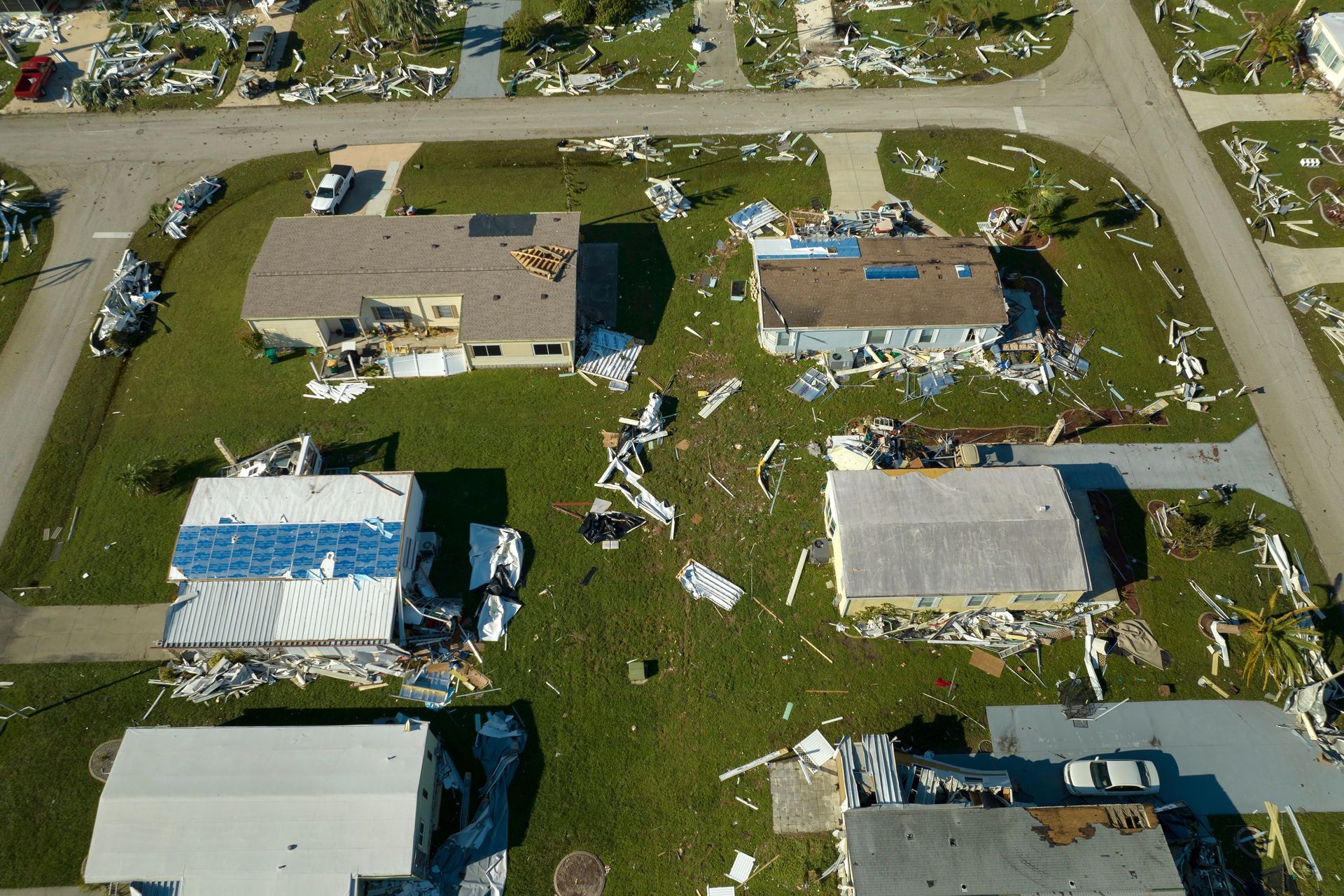
Building coverage (dwelling): Pays to repair or rebuild the rental structure after a covered loss — fire, hurricane wind damage, hail, vandalism, and other standard perils. In Florida, the same hurricane deductible rules that apply to homeowners policies apply here. Most landlord policies carry a percentage-based hurricane deductible, typically 2% to 5% of the dwelling coverage value.
Other structures: Covers fences, detached garages, carports, and other structures on the property separate from the main dwelling.
Loss of rental income: Typically covers 12 months of lost rental income while covered repairs are underway. The coverage amount should reflect your actual monthly rent so there's no shortfall during an extended repair period after a major storm.
Liability coverage: Pays for bodily injury and property damage claims made against you as the property owner. Standard limits start at $100,000 per occurrence, but $300,000 is a more appropriate floor for most Florida rental properties given the state's litigation environment. An umbrella policy adds $1 million or more above your base liability limit at a relatively low additional cost.
Optional coverages: Landlord policies can be customized with endorsements for vandalism by tenants, burglary, and in some cases additional perils. Sinkhole coverage is available as an endorsement in Florida, which matters particularly for properties in Central Florida's active sinkhole zone.
What landlord insurance does NOT cover in Florida
Two gaps require separate policies for complete protection on a Florida rental property.
Flooding is excluded from every standard landlord policy, just as it's excluded from homeowners insurance. Florida's flood risk is material for rental properties near waterways, canals, and coastal areas throughout the state. A flood policy through the NFIP or a private flood carrier is a separate policy that addresses this gap. Citizens Property Insurance policyholders with rental properties insured for $400,000 or more are now required to carry flood insurance as a condition of maintaining Citizens wind coverage in 2026.
Tenant belongings are not covered. When tenants move in, their personal property is their responsibility. Requiring tenants to maintain renters insurance is a straightforward way to address this — and to give tenants access to liability coverage that can respond to claims before they escalate to the landlord's policy.
Florida costs and multi-property tips
Florida landlord insurance averages $2,208 to $2,860 per year for a standard single-family rental according to InsuranceOpedia and Eaton Realty's 2026 data — roughly 25% more than an equivalent homeowners policy on the same property, reflecting the additional coverages and the higher risk associated with tenant occupancy.
Coastal rental properties in Boca Raton, Miami, Fort Lauderdale, and Palm Beach can run $3,000 to $8,000 or more annually, reflecting South Florida's hurricane exposure and the tight carrier market that has persisted through recent storm seasons. Roof age and condition are critical underwriting factors — most Florida carriers enforce strict limits on older roofing before issuing landlord coverage.
Florida landlords with multiple properties benefit from portfolio-level coverage discussions with their agent. Some carriers offer blanket policies across multiple units at a more favorable combined rate than individual policies. Others offer umbrella policies that efficiently add liability capacity across an entire portfolio.
Getting the right landlord policy in Florida
Florida's rental property insurance market has fewer carriers actively writing landlord-specific policies than the standard homeowners market. Working with an independent agent who knows which carriers currently write rental properties in your ZIP code — and at what deductible structures — is more important here than in most coverage lines. The Gordon Agency works with Florida rental property owners across Palm Beach County, Broward County, and Miami-Dade County to find landlord coverage that fits each property. For a free quote on landlord insurance in Florida, call (561) 988-3330 or contact us online.
Get A Quote
At The Gordon Agency, securing your future is easy. Ready to protect what matters? Contact us for a quick quote and personalized insurance options!
Kelly
Speak to Kelly 24/7
Microphone ready
Start your custom insurance quote
Instant answers to your insurance questions
Schedule appointments or follow-ups
Personal Insurance
From auto and homeowners to renters and umbrella policies, we help protect your family and property. Let’s find coverage that fits your life.
Commercial Insurance
We customize policies for your industry's risks, like general liability and workers' comp, ensuring you can run your business worry-free.
Contact The Gordon Agency
Recent Posts